

Views: 0 Author: Site Editor Publish Time: 2026-02-26 Origin: Site
The consumer electronics industry is rapidly evolving toward slimmer, miniaturized, and high-precision designs. Products such as smartphones, smart wearables, and earphones impose increasingly stringent requirements on precision metal components. Traditional manufacturing processes struggle to balance complex structures, high precision, and mass-production efficiency. Metal Injection Molding (MIM) — a net-shape manufacturing technology that combines the advantages of powder metallurgy and plastic injection molding — has emerged as the preferred process for precision consumer electronics components thanks to its unique strengths. This guide covers four key aspects: core principles, application advantages, typical use cases, and practical recommendations.
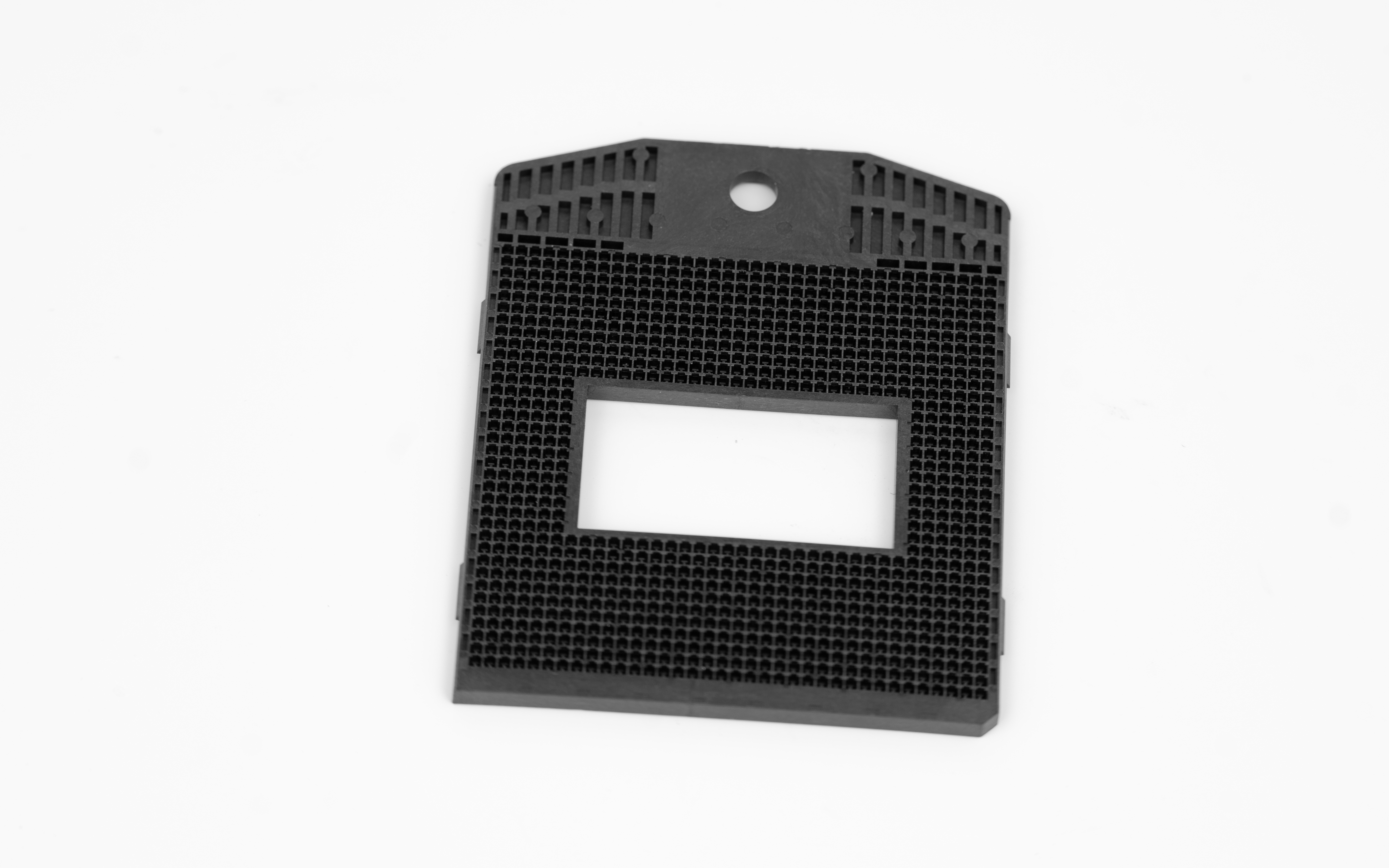
The core principle of MIM is straightforward: it integrates the material benefits of powder metallurgy with the shaping flexibility of injection molding. The process consists of five main steps: feedstock preparation, injection molding, debinding, sintering, and post-processing. Micron-sized metal powders are blended with a binder at a specific ratio to create highly flowable feedstock. The feedstock is then injected into precision molds under high pressure. After cooling and solidification, the binder is removed, and the part is densified through high-temperature sintering. The result is a high-precision, high-density metal component that requires minimal subsequent machining, greatly reducing material waste and production costs.
Compared with traditional machining and precision casting, MIM offers irreplaceable advantages for manufacturing precision consumer electronics components:
1. Ultra-high precision: Dimensional tolerance can be controlled within ±0.5%, with surface roughness Ra as low as 1 μm. It consistently produces thin walls down to 0.1 mm and micro-holes of 150 μm, satisfying the miniaturization trend in consumer electronics.
2. Complex structure compatibility: It easily forms internal cavities, special shapes, and multi-step geometries that are difficult to produce with traditional processes, enabling one-piece integrated molding without assembly.
3. Wide material adaptability: Supports various metals including stainless steel and titanium alloys, balancing lightweight performance and high strength to meet the demand for thinner and lighter consumer electronics.
4. Strong mass-production capability: Enables large-scale volume production with nearly 100% material utilization, significantly lowering per-unit manufacturing costs.
MIM has been widely adopted in core components across the consumer electronics sector:
- Smartphones: 30–50 miniature precision parts in foldable screen hinges, camera brackets, SIM card trays, and buttons, all relying on MIM for structural strength and ultra-slim profiles.
- Smart wearables: Titanium alloy MIM parts for smart watch cases and ring frames, offering biocompatibility and lightweight design ideal for close-fitting wear.
- Earphones: MIM-produced metal acoustic housings and brackets ensure tight dimensional control and improved sound transmission efficiency.
- Other applications: Metal connectors for tablets, internal precision brackets for smart terminals, and more.
To fully leverage the benefits of MIM, two key recommendations are essential for practical applications:
1. Precise process control: Use uniformly sized micron-grade metal powders for feedstock, and strictly control temperature and atmosphere during sintering to avoid deformation and inconsistent shrinkage.
2. Customized selection based on product requirements: Optimize mold design and process flow according to precision, material, and production volume needs. Partner with suppliers with mature technical capabilities to ensure consistent product quality.
As the consumer electronics industry continues to upgrade, demands for precision metal components will keep rising. As an efficient, high-precision, and cost-effective net-shape manufacturing technology, MIM has become a core pillar for producing precision consumer electronics parts. It not only overcomes bottlenecks of traditional processes but also drives products to become more precise, lightweight, and high-performance, making it a critical technology choice for consumer electronics enterprises pursuing product innovation and upgrading.


