

Views: 0 Author: Site Editor Publish Time: 2026-02-26 Origin: Site
In high-end manufacturing, metal components with high density, high precision, and complex structures are critical to product performance. From miniature transmission parts in consumer electronics and core functional components in automobiles, to implantable medical devices, strict requirements are imposed on component density (typically ≥95%). Metal Injection Molding (MIM), with its unique near-net-shape process, solves industry pain points of high-density components—difficult forming, low precision, and inefficient mass production—and has become the core solution for fabricating high-density parts. This article analyzes the core principles, key density control factors, and application scenarios of MIM to unlock its forming code.
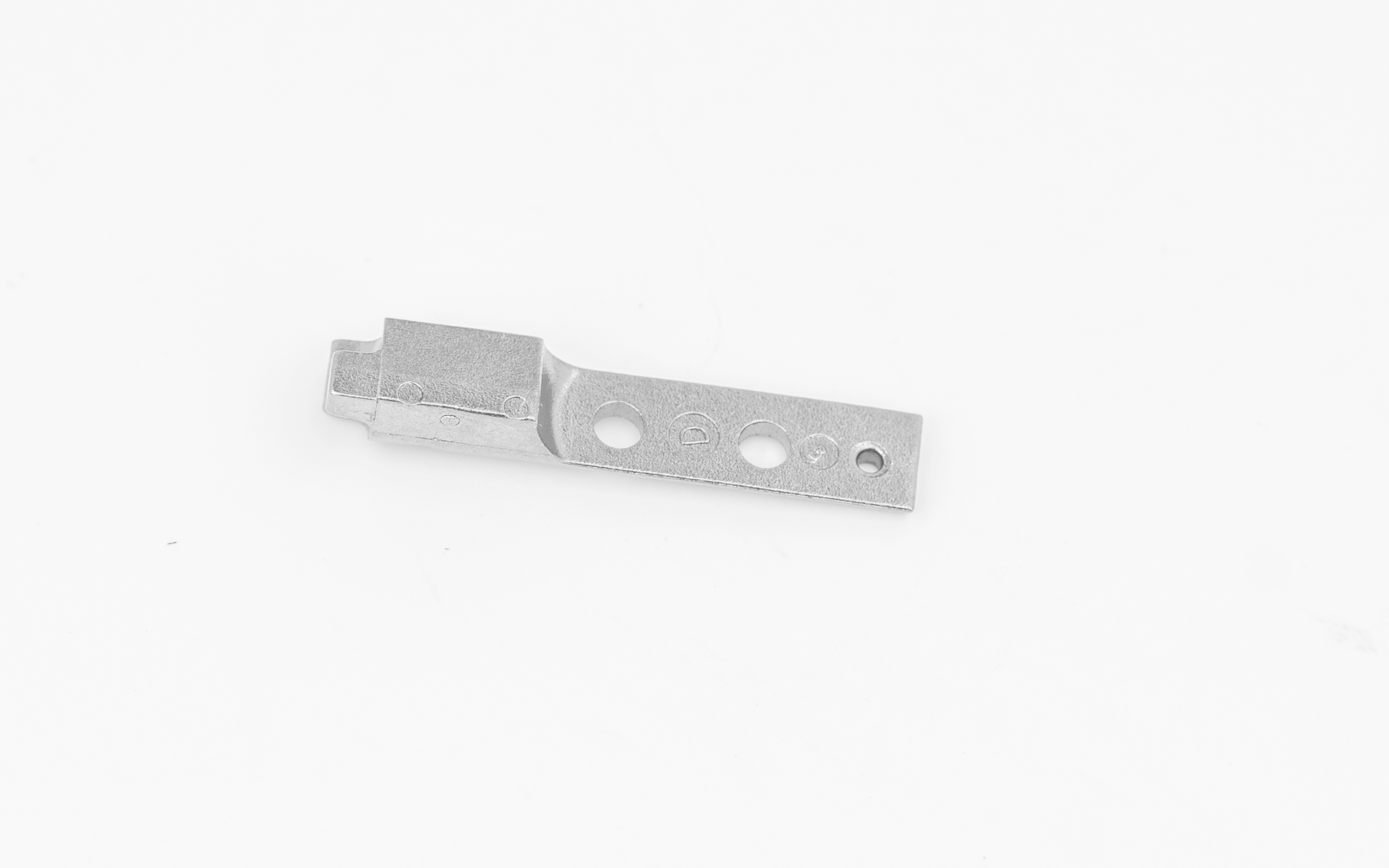
The core logic of MIM is to achieve full densification of metal powders through accurate powder proportioning + precise multi-stage temperature control, ultimately producing high-density, high-strength precision components. As a hybrid technology combining powder metallurgy and plastic injection molding, its key process includes four stages: feedstock preparation, injection molding, debinding, and high-temperature sintering. Process parameters in each stage directly determine the final component density.
Feedstock preparation is the foundation for high-density forming, focusing on powder selection and precise proportioning. Uniform, high-purity micron-scale metal powders (1–20 μm), such as stainless steel, titanium alloy, and superalloy, are used. More uniform powder particles result in smaller inter-particle voids and easier subsequent densification. The metal powder is mixed with a binder at an optimized ratio to form highly flowable feedstock. The binder must balance plasticity and removability to avoid residue that impairs density—this is the first code to high density.
Injection molding and debinding are critical intermediate steps for ensuring density. During injection molding, feedstock is injected into precision molds under high pressure. Precise control of pressure, temperature, and speed ensures complete cavity filling and eliminates defects such as short shots and pores, as porosity is a major threat to density. In debinding, the binder is gradually removed via gradient heating. The heating rate is strictly controlled to prevent deformation or cracking, preparing the green part for full densification in sintering.
High-temperature sintering is the key to achieving high density—the core code of MIM. The debound part is heated in a sintering furnace at 70%–90% of the metal melting point under a controlled atmosphere (inert gas or vacuum). Metal powder particles fuse and fill voids, achieving full densification. Temperature uniformity, heating/cooling rates, and atmosphere control directly determine density: precise sintering avoids under-sintering (low density) or over-sintering (distortion). Final density can reach 95%–99.5%, close to that of forged parts.
With its high-density advantage, MIM is widely applied in demanding fields:
-Consumer electronics: High-density foldable hinge parts and camera brackets deliver high strength and wear resistance.
- **Automotive**: Fuel injectors and turbocharger components offer improved heat and corrosion resistance.
- **Medical**: Orthopedic implants ensure biocompatibility and structural stability.
In summary, the code for high-density component forming in MIM lies in **precise coordination of all processes**—from powder proportioning to sintering temperature control—all aimed at reducing voids and achieving full densification. As an efficient and precise forming technology, MIM breaks through the bottlenecks of high-density component manufacturing and drives the upgrading of high-end manufacturing toward higher precision and performance.


