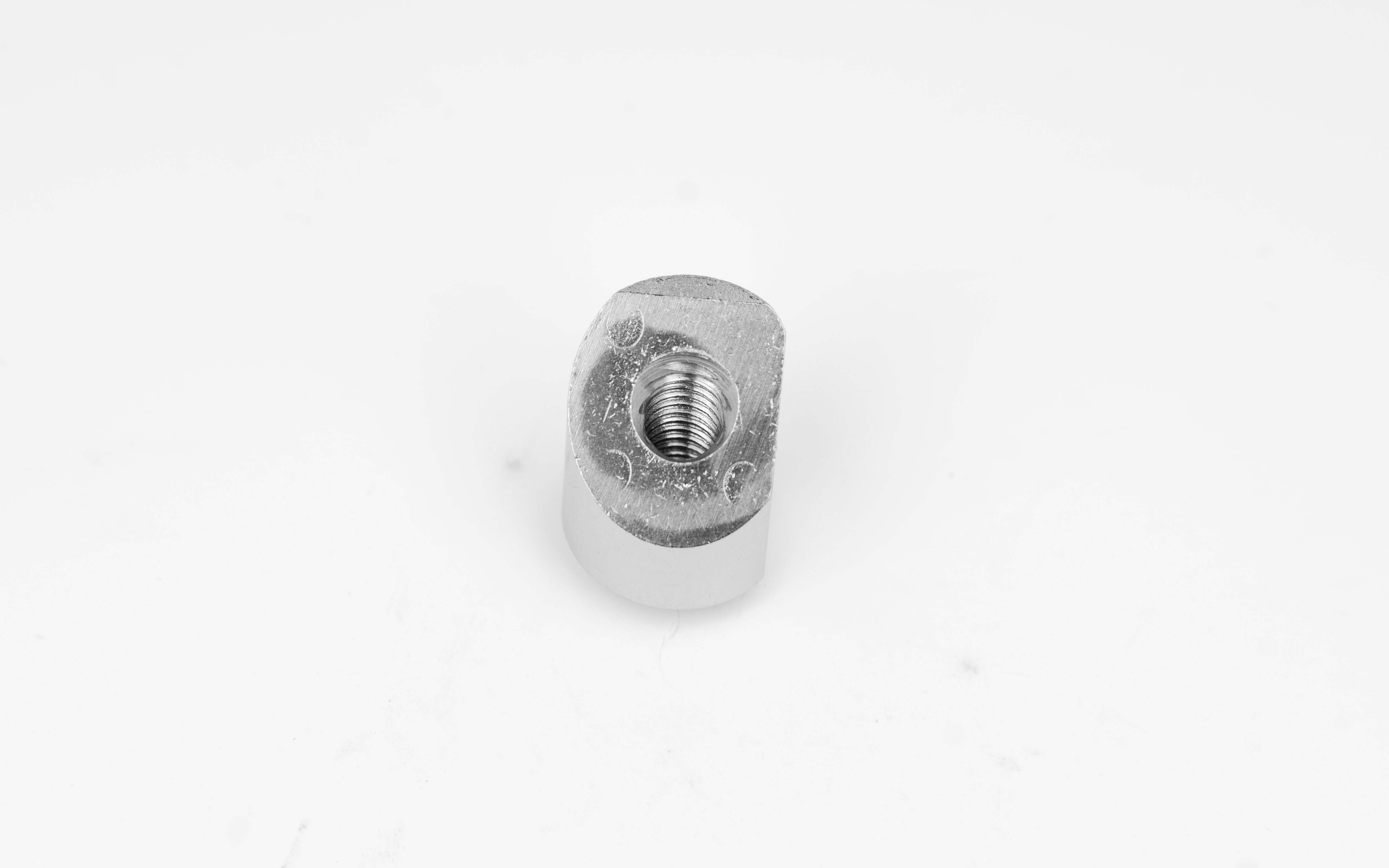
2026-10-13 In the manufacturing of precision parts, conventional CNC machining, forging and casting have long‑standing inherent limitations. When it comes to complex micro‑parts, problems such as lengthy working procedures, high costs and slow mass production frequently occur. The MIM (Metal Injection Molding)
Read More 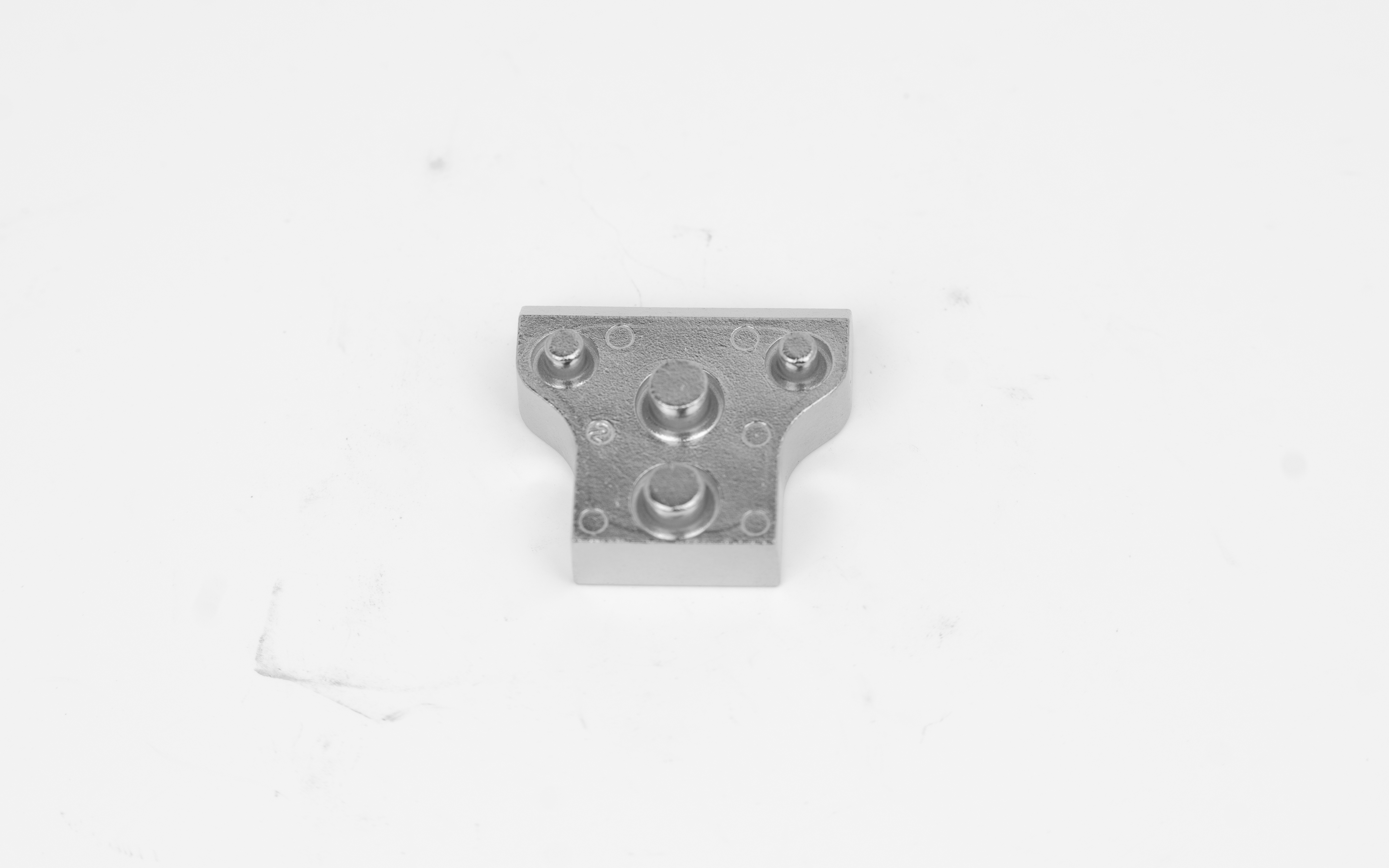
2026-10-13 In precision manufacturing, special‑shaped, thin‑wall and multi‑curved‑surface parts have long presented processing challenges. Conventional technologies require process segmentation and cumbersome workflows, making it difficult to balance forming precision and production costs. Metal Injection Mold
Read More 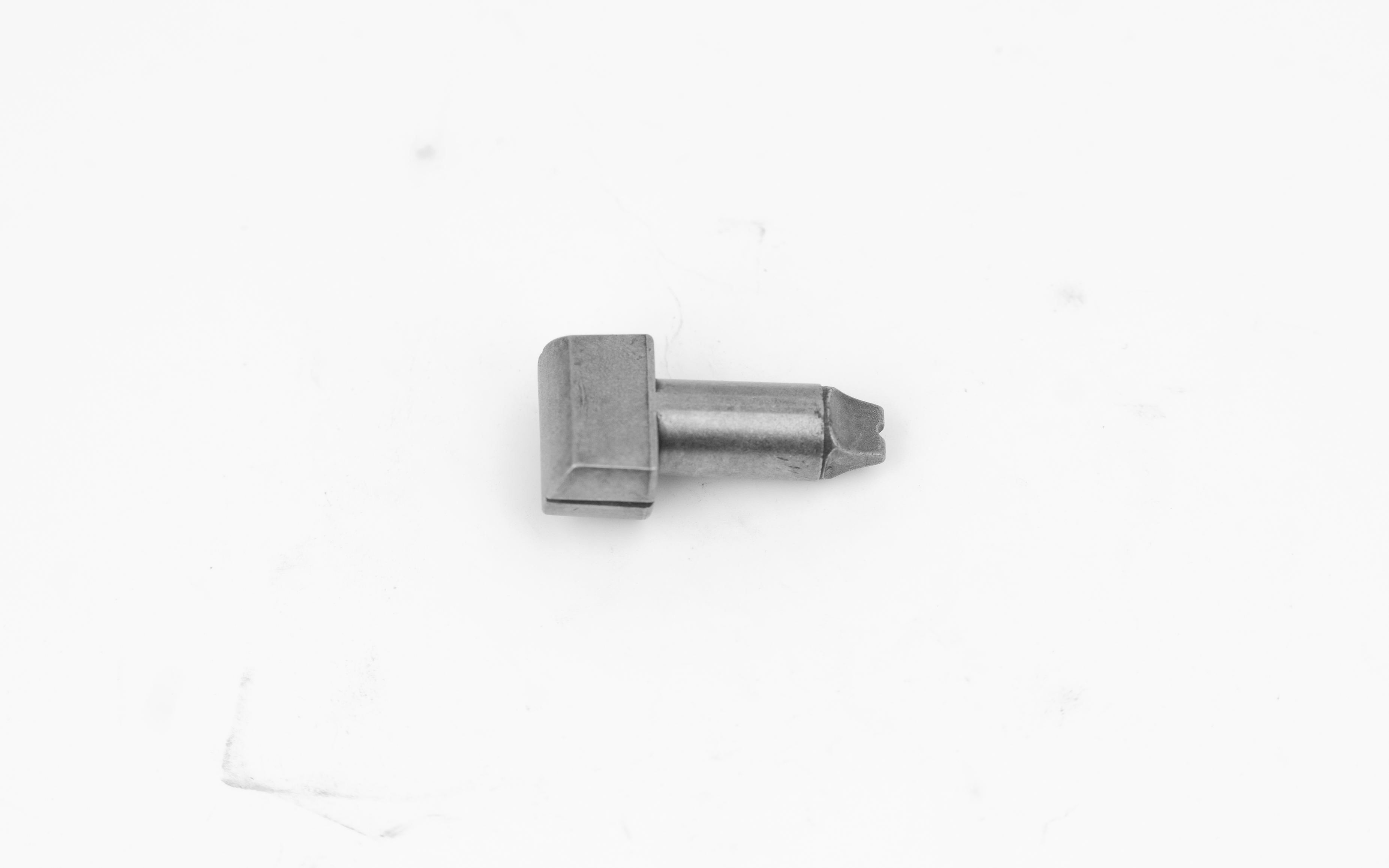
2026-10-13 Competition in the precision‑manufacturing sector is shifting toward micron‑level dimensional control. The three major tracks — new energy, 3C electronics and medical equipment — impose stringent requirements on small metal components in terms of precision, surface quality and batch‑to‑batch consist
Read More 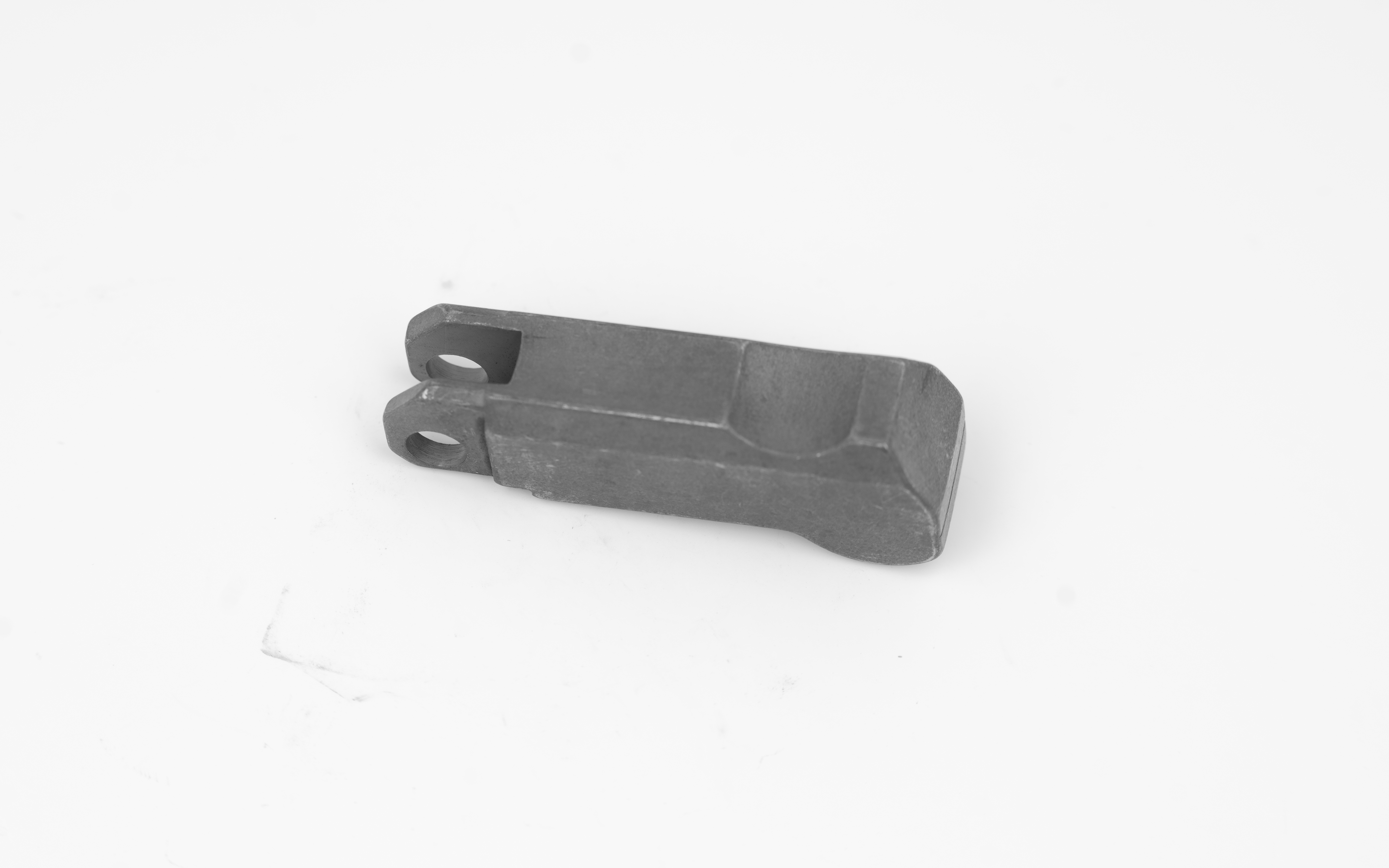
2026-09-22 The production of high‑end precision components has long confronted a dilemma: high precision and high strength usually come with exorbitant processing costs, while cost control often sacrifices part accuracy and mechanical performance. As an advanced manufacturing solution, Metal Injection Molding
Read More 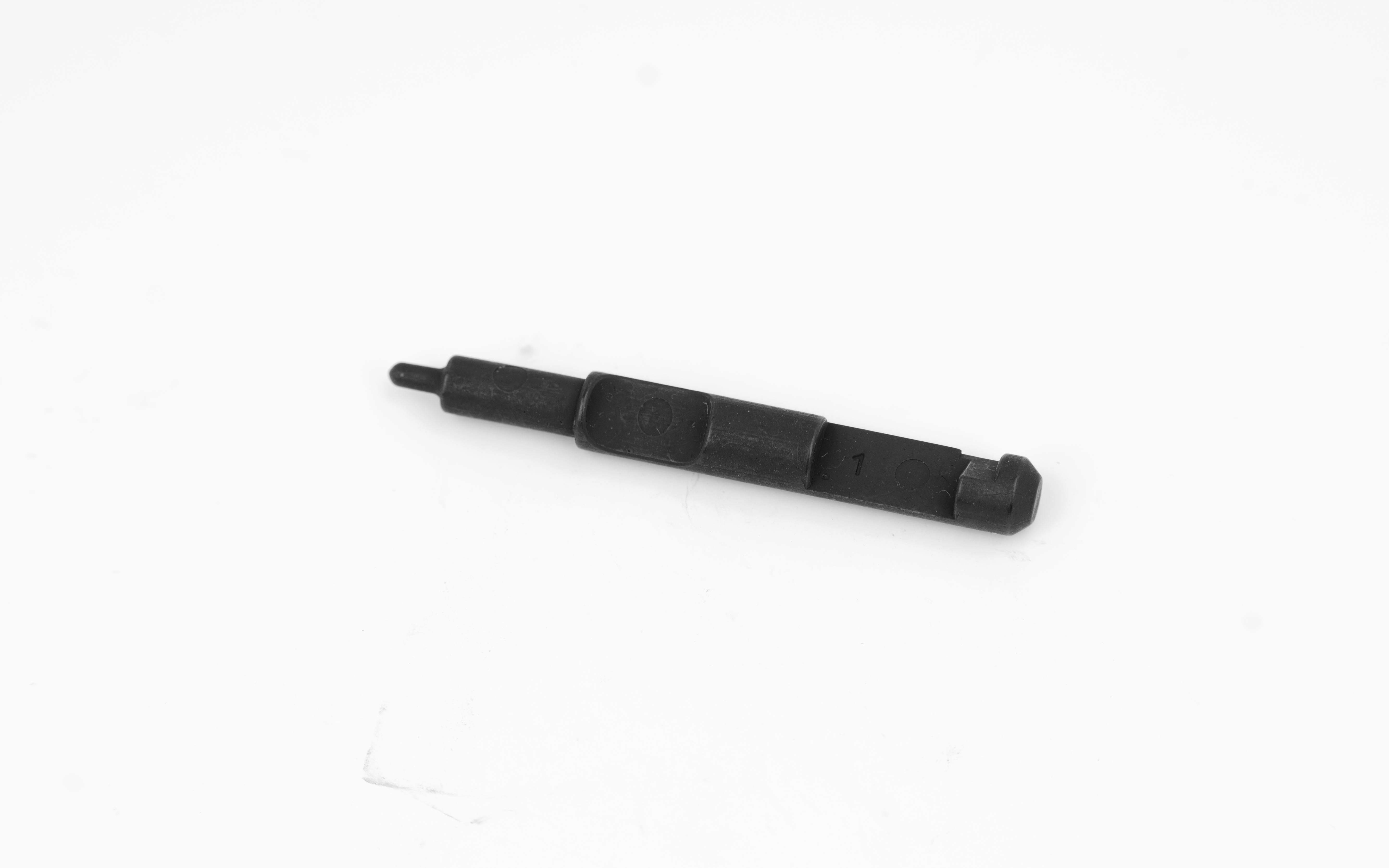
2026-09-22 For a long time, component designers have been constrained by manufacturing processes during new‑product development. Many innovative, lightweight and integrated design concepts have to be revised because they are difficult to produce via traditional cutting or casting, resulting in the phenomenon o
Read More 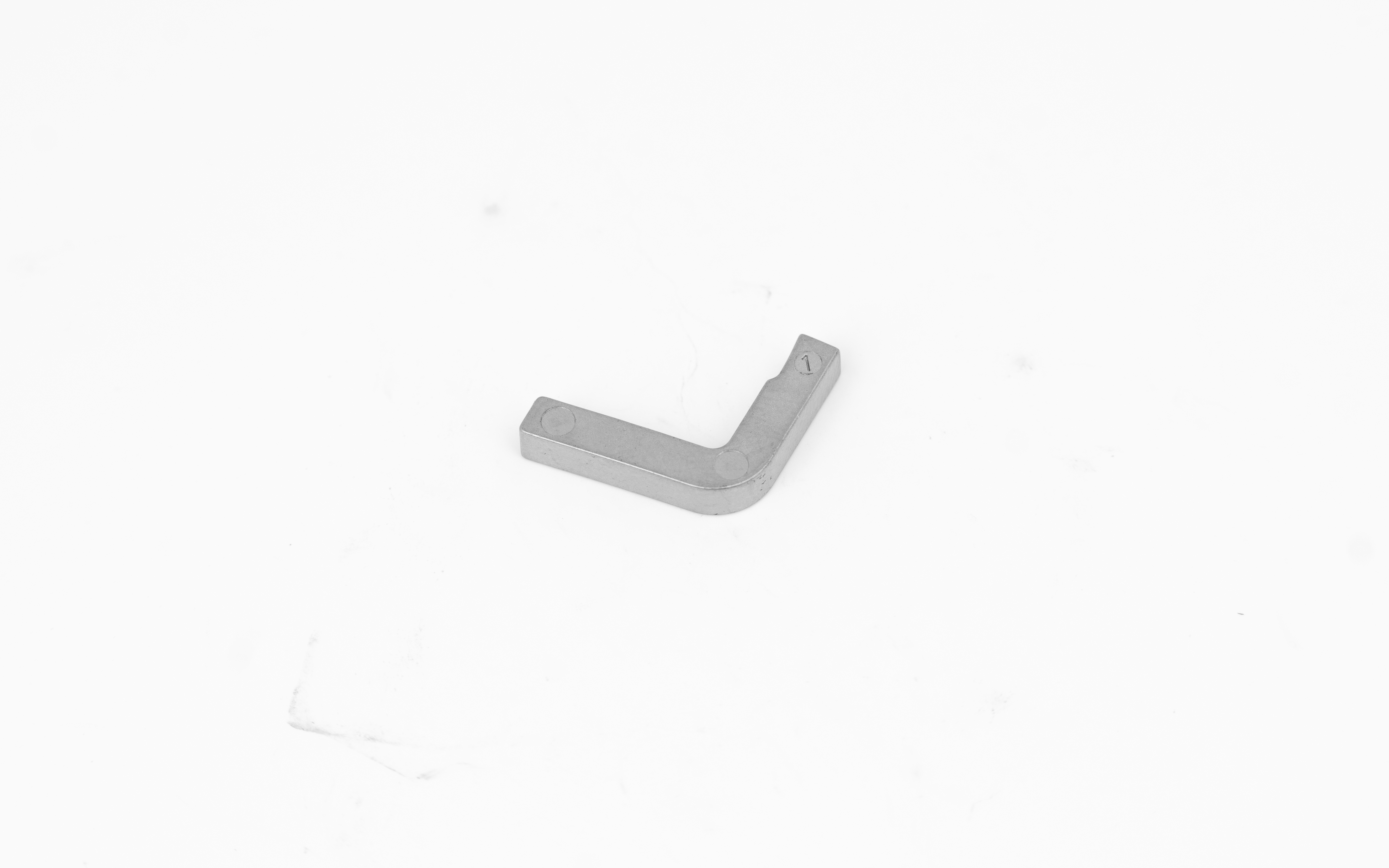
2026-09-22 In the precision‑component manufacturing sector, conventional multi‑step processing has long suffered from inherent pain points. Producing small precision parts with standard CNC cutting or casting involves more than ten procedures: material cutting, rough machining, finish machining, grinding, poli
Read More 

