

Views: 0 Author: Site Editor Publish Time: 2026-01-21 Origin: Site
In an era where precision manufacturing is transitioning toward **high efficiency, high precision, and large-scale production**, the competition between Metal Injection Molding (MIM) technology and traditional metalworking processes is reshaping the industry landscape. Traditional machining relies on subtractive manufacturing methods such as turning, milling, planning and grinding. While it can meet basic precision requirements, it faces efficiency bottlenecks in batch production and the processing of complex structures. In contrast, MIM technology integrates the convenience of plastic injection molding with the material advantages of powder metallurgy, driving precision manufacturing into a new phase of **near-net-shape forming** with groundbreaking efficiency.
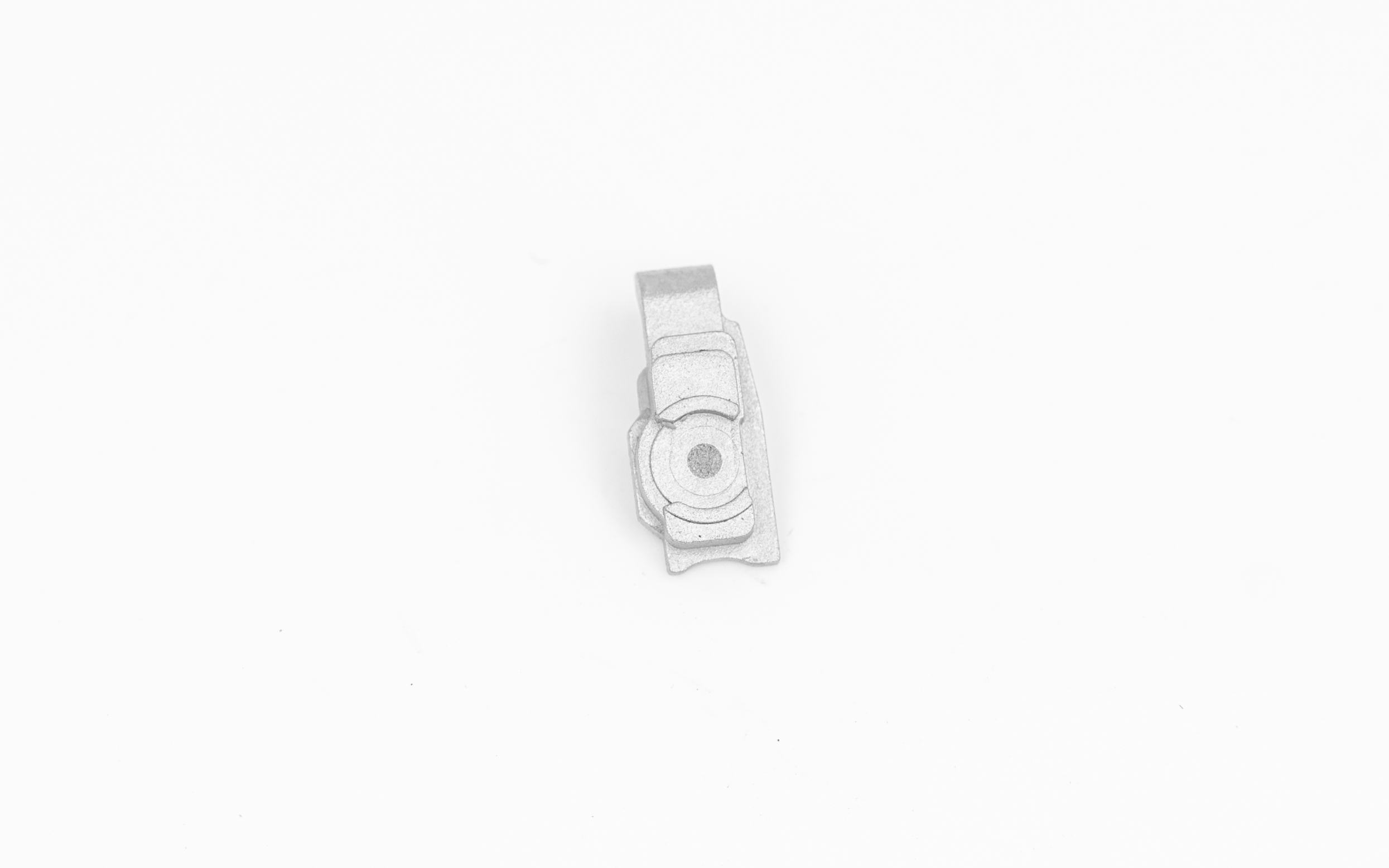
Traditional metalworking is centered on the logic of "subtraction", requiring multiple processes to gradually cut raw materials into the desired shape. Whether it is conventional machining, casting or traditional powder metallurgy, all have insurmountable efficiency limitations: Conventional machining requires manual or machine tool grinding and drilling step by step. When processing complex micro-components, it suffers from high tool wear, long debugging cycles and time-consuming single-piece processing. Casting processes, although suitable for batch production, are restricted by molten metal fluidity, making them incompatible with fine structures and requiring extensive post-processing refinement. Traditional powder metallurgy, due to the relatively coarse particle size of metal powders, yields low forming precision, only capable of producing simple 2D parts and failing to fabricate complex structures.
The emergence of Metal Injection Molding (MIM) has completely broken this predicament, with its core advantages lying in the dual breakthroughs of **near-net-shape forming and high-efficiency batch production**. MIM uses fine metal powders with a particle size of 2–20μm as raw materials, which are mixed with binders to prepare feedstock. Through injection molding, debinding, high-temperature sintering and other processes, high-density, high-precision finished parts are obtained directly with little to no post-processing required. This "one-step forming" model significantly reduces processing procedures. For example, manufacturing a micro-precision gear requires more than 10 processes and several hours via traditional machining, while MIM only needs 1–2 core processes, cutting the single-piece processing time by over 80%.
Behind this efficiency revolution is MIM’s optimization and breakthroughs across the entire production process. In batch production, MIM can realize automated continuous injection relying on molds, whose service life is equivalent to that of plastic injection molds, making it ideal for large-scale mass production. Moreover, the parts exhibit exceptional consistency, with a qualified rate of over 98%—far exceeding the 70%–85% average of traditional machining processes. In terms of material utilization, traditional machining often results in over 50% material waste, whereas MIM achieves a material utilization rate of over 95%. This makes MIM particularly suitable for processing expensive materials such as precious metals and high-temperature alloys, substantially reducing raw material costs.
The balance between precision and efficiency further highlights MIM’s advantages. MIM can achieve strict tolerances ranging from ±0.3% to ±0.5% and a surface roughness of less than Ra 1.2μm, meeting high-end requirements without additional finishing. In contrast, the precision of traditional machining is greatly affected by labor and tooling, making it difficult to stably control the precision of complex structural parts. In fields such as automotive electronics, medical devices and aerospace, MIM can easily produce complex micro-components that are difficult to manufacture via traditional machining—such as medical implants and microelectronic devices—while ensuring both precision and production efficiency.
Metal injection molding does not replace traditional machining; instead, it complements its technical shortcomings and drives the efficiency upgrade of precision manufacturing. It breaks the industry misconceptions that "high precision equals low efficiency" and "complex structures equal high costs", achieving a balance among precision, efficiency and cost. Today, MIM technology has been widely applied in various high-end manufacturing fields, emerging as a core driver for the upgrading of the precision manufacturing industry. This efficiency revolution led by MIM is reshaping the competitive landscape of global precision manufacturing.


