

Views: 0 Author: Site Editor Publish Time: 2026-01-21 Origin: Site
In the field of high-end manufacturing, the molding of complex micro-components (with maximum dimensions < 25 mm and feature dimensions < 1 mm) has long been an industry pain point. Traditional machining tends to produce burrs and struggles to accommodate complex structures such as internal cavities, while precision casting suffers from insufficient accuracy and high costs for small-batch production. Against this backdrop, Metal Injection Molding (MIM) technology, leveraging the dual advantages of plastic injection molding and powder metallurgy, has emerged as the go-to solution for cracking the code of complex micro-component molding. It is widely applied in multiple high-end sectors including consumer electronics, automotive, and medical industries. Below is a precise analysis of its technical core from three aspects: core logic, process breakdown, and key advantages.
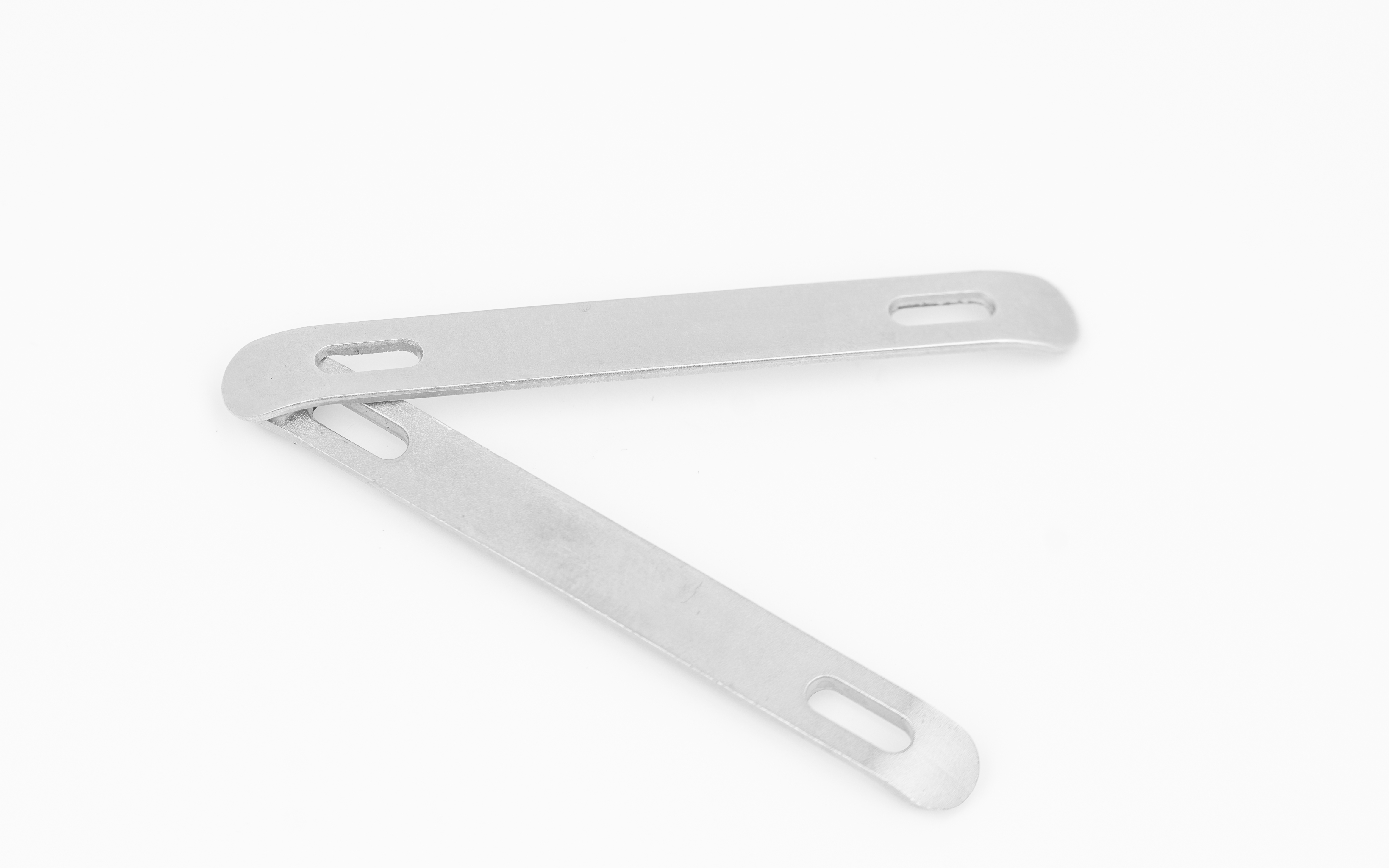
The core logic of MIM technology lies in mixing metal powders with polymer binders, injecting the mixture into precision molds under high pressure via injection molding equipment, and subjecting the molded parts to subsequent processes such as debinding and sintering, ultimately producing high-density, high-precision metal micro-components. In essence, it is a combination of the material advantages of powder metallurgy and the shaping advantages of injection molding, perfectly catering to the molding requirements of micro-scale complex structures. Its core process can be broken down into three simple, highly controllable steps.
The first step is **feedstock preparation**, which is the foundation for ensuring molding accuracy. Micron-grade metal powders (e.g., stainless steel, titanium alloy) are selected, then sieved and purified to ensure uniform particle size distribution. They are mixed with thermoplastic binders in a specific ratio and agitated in a mixer to produce feedstock with excellent fluidity. The dosage of binders can be flexibly adjusted according to the strength and density requirements of the final products, ensuring the mixture can fully fill the fine patterns of the molds.
The second step is **injection molding**. Specialized micro-injection molding machines are used to heat and melt the feedstock, which is then injected into custom molds under high pressure. The molds can accurately replicate the complex structures of micro-components—such as hinges for foldable smartphones and micro-channels in medical stents. After cooling and solidification, the blanks are demolded, resulting in parts that match the shape of the final products without requiring additional cutting or machining.
The third step is **debinding and sintering**. First, the blanks are heated to 100–200℃ to remove the binders. They are then transferred to high-temperature furnaces (operating at 1200–1600℃) for sintering, during which the metal powders fuse and densify with each other. The final products achieve a density close to the theoretical value (≥ 96%). If necessary, post-processing can be conducted to further optimize the accuracy and surface finish.
Compared with traditional molding technologies, the key advantages of MIM technology are reflected in three aspects.
First, **high precision**: tolerances can be controlled within ± 0.5%, and surface roughness can be as low as Ra 1 μm, enabling the stable molding of fine features such as 0.1 mm-thick thin walls and 150 μm micro-holes.
Second, **strong adaptability**: it is compatible with most metal materials and can form complex internal cavities and irregular structures that are difficult to achieve with traditional processes. Additionally, the raw material utilization rate is close to 100%, effectively reducing material waste.
Third, **outstanding mass production advantages**: it supports batch production, significantly lowering the unit cost of complex micro-components. It is particularly suitable for large-scale production scenarios such as consumer electronics and automotive manufacturing. Examples of mass-produced components include smartphone camera brackets and automotive turbocharger blades.
Currently, MIM technology has become the mainstream solution for high-end micro-component molding. It accounts for 76.3% of applications in the consumer electronics sector, and the automotive industry alone holds a 60% share of the global MIM market. MIM not only addresses the industry pain points of complex micro-components—namely "difficult molding, low precision, and high costs"—but also drives the miniaturization and precision upgrading of high-end manufacturing. As an efficient and accurate near-net-shape forming technology, MIM is leveraging its unique advantages to make breakthroughs in more emerging fields, continuously empowering the high-quality development of the high-end manufacturing industry, and establishing itself as an irreplaceable core technology for micro-scale complex component molding.


